

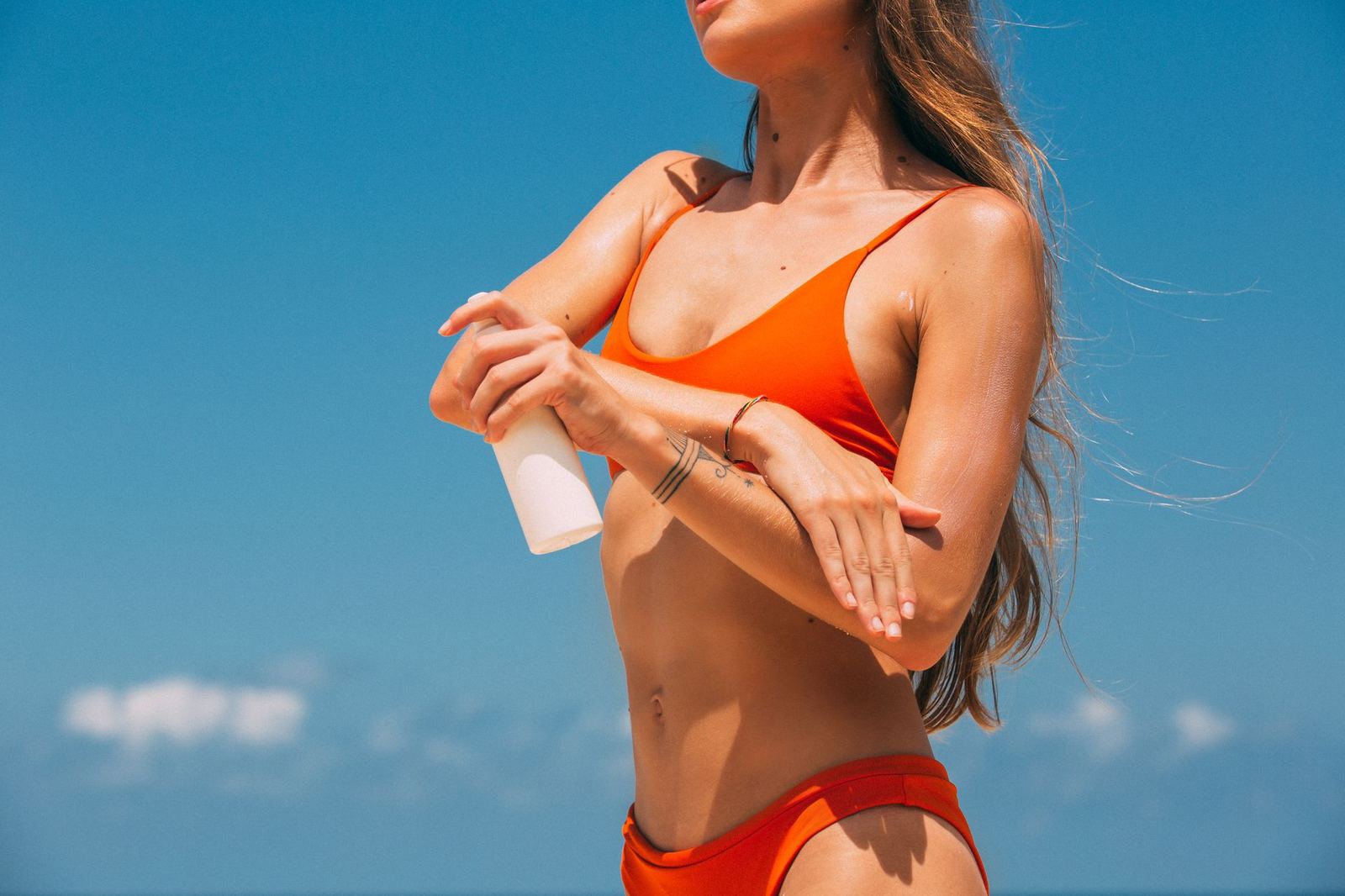
The UV index reaches 10 in an Aegean summer; practical tips on sunscreen, shade and water.
The Aegean summer sun is very strong, especially at midday in July and August. In Çeşme the UV index often reaches 9 – 10 around noon in these months, which the World Health Organization classifies as very high risk. Because sea and sand reflect sunlight, you get more UV on the beach than in town. Here are practical tips for a beach day without sunburn. This is general information; if you have a skin condition or take medication, consult your doctor.
What does the UV index tell you?
The UV index expresses the power of the sun's ultraviolet rays to harm the skin on a scale from 0 to 11 and above. Protection is recommended from 3 upwards, and from 8 you should stay in the shade at midday. Most weather apps show the hourly UV index.
Timing
UV rays are strongest between 11:00 and 16:00. During these hours we suggest staying under an umbrella, canopy or cabana and moving your swims to the morning and late afternoon. Reflected rays mean you still need protection in the shade.
How to use sunscreen
- Choose a broad-spectrum (UVA and UVB) product of at least SPF 30.
- Apply 15 – 20 minutes before going out in the sun.
- An adult body needs about a handful, roughly 30 ml.
- Reapply every two hours and after every swim; even water-resistant products rub off on a towel.
- Don't forget ears, neck, the tops of your feet and your lips.
For children
Babies under six months should be kept out of direct sun. For older children, use a UV-protective T-shirt, a hat and a child-friendly sunscreen together. The shaded play area in our family zone is designed so children can play out of the sun at midday.
Water and heat
Hours fly by on the beach and thirst can creep up on you. Drink at least a glass of water an hour, and remember that alcoholic drinks can increase fluid loss. If you feel dizzy, nauseous or unusually weak, move into the shade and tell a lifeguard or beach attendant; our first-aid room is open all day.
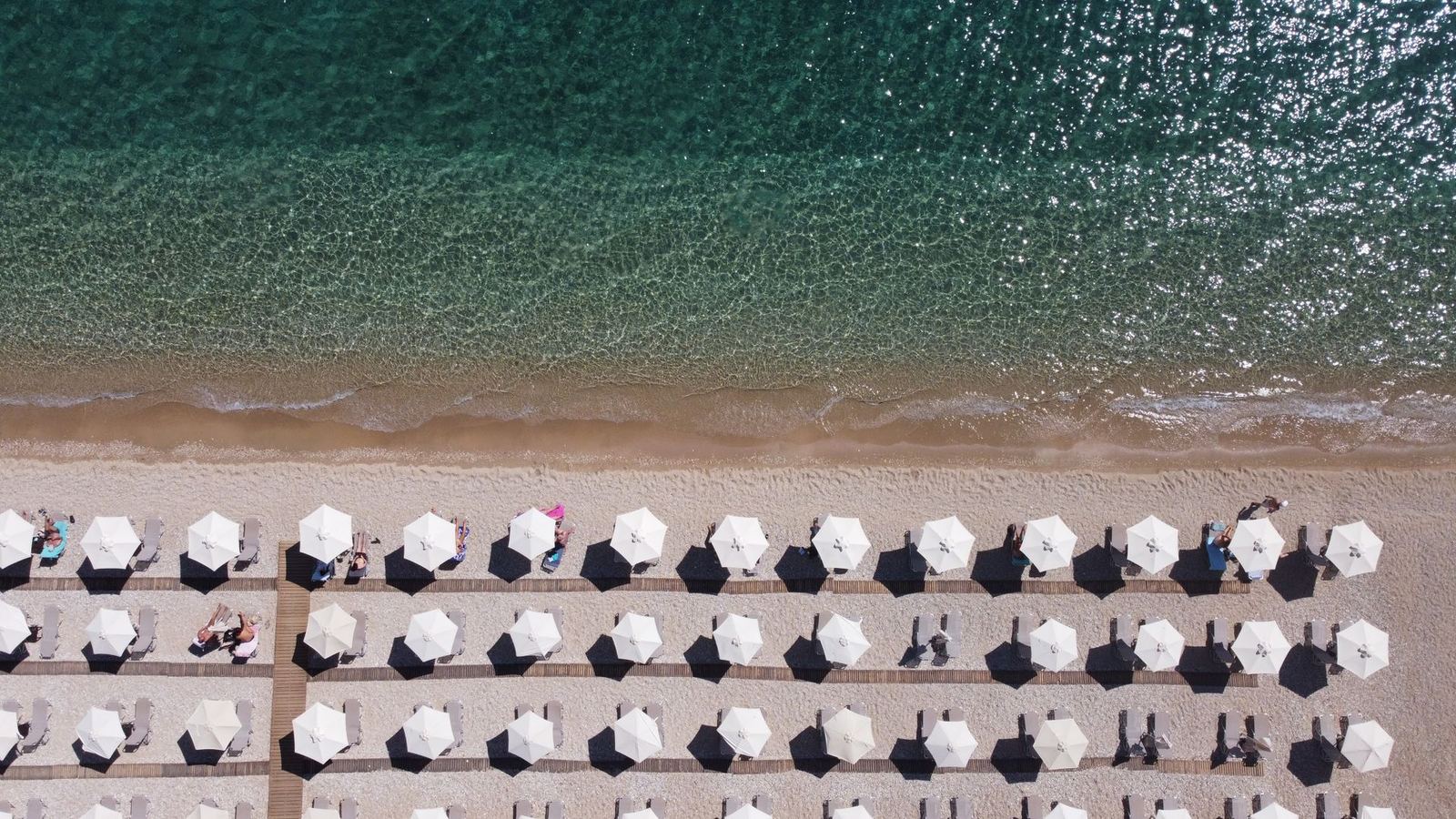
At Nerium every sunbed has its own umbrella, water in glass bottles is sold throughout and sunscreen is available at the till. Still, the best protection is spending the sun's strongest hours in the shade.
Protect your eyes too
The sun affects your eyes as well as your skin. Light reflected off sea and sand tires the eyes, and long unprotected exposure can cause redness and burning. Wear sunglasses with UV400 or 100% UV protection, and choose sunglasses and wide-brimmed hats for children too. Rinsing your eyes with fresh water after a swim also eases the sting of salt.
Related Posts
 Beach Day
Sunbed, Bali Bed or Cabana? A Beach Day Planning Guide
Group size, shade, budget and season passes: choosing the right spot.